Introduction to the Scotch Whisky Regions

There are over 150 whisky distilleries in Scotland spread out over five regions: Highland, Lowland, Campbeltown, Islay, and Speyside. Each region has a history and character of its own and offers unique flavour profiles, from the peaty, smoky whiskies of Islay, light grassy whiskies of the Lowlands, to the fruit-forward whiskies of Speyside.

In this blog, we’ll explore each of these regions, delving into their history and typical flavour profiles, plus we’ll discover some well-known distilleries from each one.

The Scotch Whisky Regions

The Scotch Whisky Association (SWA) officially recognises five distinct regions – Highland, Lowland, Campbeltown, Islay, and Speyside. These regions exist because of historical, geographical, and cultural factors that have influenced the production styles and flavour profiles of the whisky over the centuries.

The regional divisions help to categorise Scotch whiskies based on these unique characteristics, giving consumers an idea of the general flavour profiles and styles they can expect from each area.

Highland

One of the best-known whisky-making regions, the Highland region is arguably the most diverse, stretching from just north of Glasgow right up to Thurso (except for the Speyside Region) and encompasses the islands around the perimeter of Scotland, except for Islay.

History

The Highland region, the birthplace of Scotch whisky, has a rich history beginning with barley farmers distilling from their barns or bothies. By the 18th century, however, illicit distilling flourished across the region, driven largely by the 1707 Act of Union, which imposed taxes on whisky production and fuelled a thriving underground industry.

Flavour Profile

The Highland whiskies tend to have a wide variation of flavour profiles from heather, honey, malt and oak, to heavily sherried expressions, and peaty smokiness, right through to a coastal maritime style of the Islands malts.

Distilleries

Well-known distilleries in the Highland region include Glenmorangie, The Dalmore and Glenturret on the mainland, and Talisker, Jura and Highland Park in the islands.

Lowland

Large by geographical area, but small in terms of malt distillery numbers, this region spans from Glasgow through the central belt of Scotland, reaching east to Fife and extending south to the Scottish Borders.

History

This region was once a hotbed of commercial production, with distilleries producing whisky at an incredible rate but at an inferior quality to the Highland whiskies. Many distilleries became victims of the world wars and the U.S. Prohibition, and by the late 20th century the number of distilleries in this region had plummeted to just three.

Flavour Profile

Lowland whiskies tend to have a gentle light, grassy and floral flavour profile with notes of honey, citrus, and caramel.

Distilleries

Now home to around 20 distilleries, this region is one of the fastest growing. Well known distilleries include Lindores Abbey, Bladnoch, Auchentoshan and Glenkinchie.

Campbeltown

The smallest of the five regions, Campbeltown is based in the sheltered harborside town of Campbeltown at the southernmost end of the Kintyre peninsula.

History

Campbeltown is known as the ‘Victorian Capital of Whisky’ and was once home to over 30 distilleries. However, American Prohibition severely impacted the region, leaving only Glen Scotia and Springbank for many years. In November 2000, Glengyle, which had closed in 1925, reopened, producing whisky under the name Kilkerran.

Flavour Profile

Campbeltown whiskies are known for their rich, complex flavours, sometimes featuring salty, maritime notes, subtle smokiness, and a distinctive oily mechanical note, known colloquially as the Campbeltown ‘funk’.

Distilleries

The well known (and only) distilleries are Glen Scotia, Springbank and Glengyle.

Islay

This region is based on one small island known as the ‘Queen of the Hebrides’, the island of Islay. The region, made up of around 13 distilleries, is world renowned for producing smoky, peated whiskies.

History

Peated whisky has been produced on Islay since the early 18th century. Its coastal location, lack of trees and abundant peat bogs shaped the region’s signature style, with peat traditionally being burned for fuel, giving the whisky its distinctive smoky taste and aroma.

Flavour Profile

Islay whiskies tend to have a flavour profile that can be described as smoky, earthy, and often medicinal.

Distilleries

Well known distilleries include Ardbeg, Lagavulin and Laphroaig.

Speyside

An iconic region, Speyside has by far the largest concentration of whisky distilleries. Tucked into a small, lush corner of northeast Scotland, dominated by the mighty River Spey, it produces over a third of the world’s supply of single malt Scotch whisky.

History

During the early 19th century, the area was an ideal hideout for distillers wanting to escape the notice of the dreaded taxmen due to its often-inaccessible forested foothills and glens. Countless distilleries sprung up during this time in the remote hills above the river Livet – many of them household names to this day.

Flavour Profile

Generally, Speyside whiskies tend to have a particularly elegant fruity flavour profile which includes notes of apple, pear, honey and vanilla. Sherry butts are also commonly used for maturing or finishing whisky, so often you’ll find notes of dried fruit and spice.

Distilleries

Well known distilleries include Macallan, Glenfiddich and Glenlivet.

Every region contributes its own distinct character to the world of whisky. Exploring these regions allows you to not only appreciate the diversity of flavours but also the tradition and craftsmanship behind each bottle.

At Golden Dram, we offer a wide range of whisky casks from all of Scotland’s whisky-making regions and beyond.

Speak to us today, to get your collection started.

A Guide to Scotch Whisky Shows, Festivals & Distillery Tours

Each year, hundreds of whisky shows and events are held around the UK, featuring new releases, beloved classics, tastings, masterclasses, and opportunities to meet the people behind the famous whisky brands.

Since it’s impossible to attend them all, Golden Dram have curated a list of the must-see whisky shows, festivals and year-round distillery tours perfect for the coming year, along with tips to help you make the most of your experience.

Spirit of Speyside Festival

Location: Moray area, Scotland

When: 30th April – 5th May 2025

Located in the heart of Scotland’s largest whisky-producing region, the Spirit of Speyside Whisky Festival is a six-day celebration of Speyside’s whisky-making heritage with more than 500 whisky-inspired events to attend. The festival features distillery open days – including some that are not usually open to the public, exclusive tasting events, and seminars that highlight the craftsmanship behind each bottle.

Top tip: Tickets for some key events have been known to sell out within hours, so you may want to purchase as soon as they go on sale.

Fèis Ìle- The Islay Festival

Location: Islay, Scotland

When: 23rd – 31st May 2025

Located on Islay, one of the most picturesque islands in the Hebrides, The Islay Festival runs for seven days. This festival is filled with whisky, music, food and entertainment, and is immensely popular amongst whisky lovers who flock to this small island year after year to enjoy the range of peated whiskies on offer. Here you will find most of the Islay distilleries open their doors to welcome attendees on different days of the week.

Top tip: Book accommodation and your ferry/flight well in advance to avoid disappointment.

The Campbeltown Malts Festival

Location: Campbeltown, Scotland

When: 19th – 24th May 2025

The Campbeltown Malts Festival is an annual two-day celebration of whisky, showcasing the rich heritage of Campbeltown and the distinctive whisky styles of its three distilleries, including Glen Scotia, Springbank and Glengyle (Kilkerran). The festival features distillery tours, exclusive whisky tastings, masterclasses, and events, providing enthusiasts with a chance to experience rare bottlings and engage with the local whisky community.

Top tip: Due to the small size of the Campbeltown region, there are fewer tickets released than for other well-known whisky shows, so best to buy tickets as soon as they are released.

Fife Whisky Festival

Location: Cupar, Scotland

When: 28th February – 2nd March 2025

Fife Whisky Festival is a relatively new addition to the whisky festival scene but has quickly become a favourite among whisky lovers from far and wide. It not only features a selection of whiskies from the Fife area, but it also offers whiskies from distilleries and independent bottlers across Scotland’s five whisky-producing regions. Thankfully, it remains pleasantly uncrowded, offering a diverse range of drams to sample, along with dedicated tasting events and masterclasses.

Top tip: Take advantage of the free water stations.

The Dornoch Whisky Festival

Location: Dornoch, Scotland

When: 24-26 October 2025

The Dornoch Whisky Festival, an annual event held in the historic town of Dornoch, is a celebration of Highland whisky and differs slightly from other festivals in that it centres largely around whisky education. Additionally, visitors can enjoy a wide range of whisky-related activities, including tastings of rare and exclusive whiskies, dinners, events, masterclasses, distillery tours, and food pairings.

Top tip: Don’t miss the highlight of the event, the Grand Tasting on the Saturday of the festival, which takes place over two sessions, one in the morning and one in the afternoon.

The Whisky Show

Location: Old Billingsgate, London

When: 3rd – 5th October 2025

If you’re seeking a great all-round whisky experience, The Whisky Show in London is one of the best. Held annually, this event showcases over 1000 whiskies that span an entire spectrum of flavour profiles from all over the world. With masterclasses led by industry experts and rare limited-edition releases available for tasting, it’s a haven for whisky lovers looking to meet the teams responsible for their best-loved drams.

Top tip: Arrive early and take advantage of the complimentary two-course meal before you start sampling the drams.

Distillery Tours

If you’re thinking of attending any of these festivals, why not fit a Scotch whisky distillery tour in too?

A distillery tour offers a unique glimpse into the art and history behind Scotland’s iconic spirit. Visitors not only get to see the traditional methods of malting, mashing, fermenting, and distilling but also learn how each step shapes a whisky’s flavour.

Touring distilleries allows you to savour regional differences, taste distillery-exclusive drams and meet the craftsmen responsible for them, adding depth to your appreciation of Scotch whisky and offering insights and flavours you simply can’t find anywhere else.

Scottish distilleries are often built in locations that are remote or hard-to-reach, so close to visitors during the winter months. However, many remain open all year-round including the Glenfiddich, Glenturret, Laphroaig, Cardhu, Dalwhinnie and Springbank distilleries.

Don’t miss these whisky shows, festivals and tours as they offer enthusiasts the chance to gather, meet, taste, explore, and learn while connecting with fellow whisky lovers from around the world.

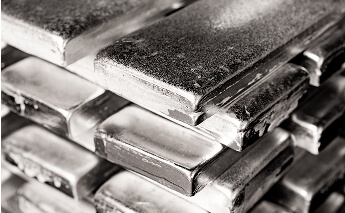
Silver: The Underdog with Potential? Understanding Its Investment Case

When it comes to investing in precious metals, gold often steals the spotlight. It’s known as a safe-haven asset, a classic symbol of wealth, and a hedge against inflation. However, there’s another precious metal that has often lived in gold’s shadow but presents an intriguing investment opportunity—silver. Silver’s unique characteristics—such as its dual role as both a precious metal and an industrial commodity—make it a compelling growth opportunity for investors. Let’s explore why silver could be an undervalued asset, and why it might provide better upside under certain conditions.

Silver vs. Gold: Why Silver May Be Undervalued

Gold is often perceived as the king of precious metals, and it’s easy to understand why—it has been a symbol of stability for centuries. But silver, its often-overlooked counterpart, offers some unique advantages that make it an interesting investment alternative, particularly for those willing to accept a bit more risk.

Silver’s historical price ratio to gold suggests it may be undervalued, with the current ratio often exceeding 70:1 or even 80:1. This disparity presents an immediate buying opportunity for investors.

While gold tends to be more stable, silver’s price movements can be more pronounced. This volatility, while riskier, can provide significant opportunities for investors with a higher risk tolerance when timed effectively.

The Industrial Edge: Silver’s Broad Demand

Silver’s value lies in its dual role as both a precious metal and an industrial commodity, with significant industrial demand adding an extra layer of growth potential.

  1. Electronics and Technology: Silver is one of the best conductors of electricity, which makes it an essential component in many electronic devices, from smartphones to tablets and computers. As technology continues to evolve and our reliance on electronics grows, the demand for silver is likely to increase steadily.
  2. Renewable Energy: Silver is an essential component in photovoltaic cells used in solar panels. As solar power adoption accelerates, the demand for silver will continue to grow.
  3. Medical Uses: Silver’s unique antibacterial properties make it valuable in the medical field. It is used in wound dressings, medical devices, and even certain medications. This adds another level of industrial demand that helps support silver’s value.

Price Point: Accessibility for All Investors

Silver’s comparatively lower price point makes it far more affordable than gold, allowing investors to accumulate larger physical holdings. This accessibility is particularly appealing during times of economic uncertainty.

For newer investors or those with limited capital, silver provides an attractive entry point into the world of precious metals. Not only does it offer the potential for price appreciation, but owning physical silver—whether in the form of coins or bars—also offers the tangible security that many investors seek during periods of financial instability.

Diversification and Growth Potential

Silver’s role as a hedge against economic uncertainty makes it an excellent diversification tool. In times of financial instability, silver acts as a safe haven, providing protection against market volatility.

Silver’s role as a driver of industrial growth adds significant growth potential. During periods of economic growth, silver benefits from increased industrial demand, making it a valuable addition to any diversified portfolio.

A Finite Resource with Increasing Demand

Like gold, silver is a finite resource. The supply of silver is limited, and as industrial applications continue to grow, the available supply may struggle to keep pace with demand. This potential supply constraint, coupled with increasing demand in sectors like renewable energy and electronics, could lead to higher silver prices in the future.

The ongoing push for green technologies, such as solar energy, will likely continue to drive demand for silver, further solidifying its role as a critical industrial metal. As the world moves toward a more sustainable future, silver’s value proposition becomes even stronger, offering investors a unique opportunity to align their portfolios with future trends.

Final Thoughts: Silver’s Bright Future

Silver may often be seen as the underdog compared to gold, but it is far from lacking in potential. Its dual role as a precious metal and an industrial commodity, combined with its affordability, makes it an attractive investment option with substantial upside. For those willing to embrace its volatility, silver offers opportunities that gold simply cannot match.

As industries evolve, technology advances, and the world continues its shift toward renewable energy, silver’s importance—and its value—are likely to grow. Now may be the perfect time to consider adding this versatile metal to your investment portfolio and take advantage of its unique potential as both a store of value and a driver of industrial progress.

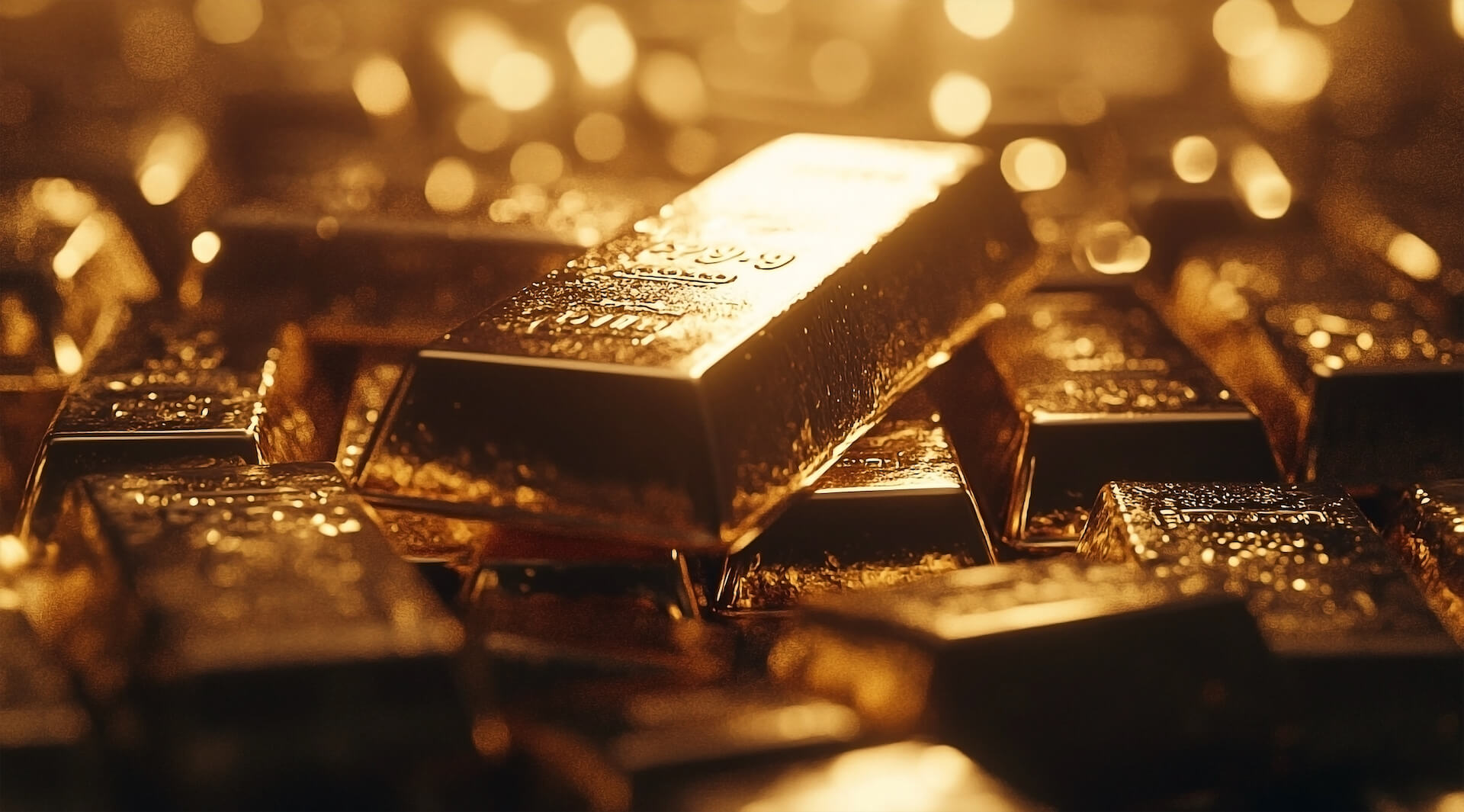
Central Banks and Gold Reserves: Why Governments Stockpile Gold

Gold has been a cornerstone of wealth and power for thousands of years. Even in today’s digital age, central banks maintain substantial reserves of gold due to its enduring stability and historical importance. Let’s explore why governments continue to hold gold and its impact on economic stability.

The History of Gold as a Monetary Standard

Gold has long been used as money due to its durability, scarcity, and intrinsic value. The gold standard, linking currency value to gold, dominated global finance until the mid-20th century. It was abandoned in the 1970s to allow central banks more flexibility in adjusting interest rates and money supply. Under the gold standard, governments held significant gold reserves to back paper currencies, ensuring stability and trust within the financial system. After the gold standard ended, central banks continued to hold gold as a symbol of economic strength and resilience during turbulent times.

Historically, gold has played a pivotal role not only in the economic sphere but also in politics and diplomacy. During times of conflict, nations leveraged their gold reserves to finance military efforts and secure alliances. During World War II, the United Kingdom used its gold reserves to purchase supplies and maintain alliances, demonstrating gold’s universal value. This historical precedent illustrates why today, gold reserves measure a nation’s economic power and resilience.

Why Central Banks Hold Gold Today

Central banks collectively hold over 35,000 metric tons of gold, comparable to peak gold standard levels. Why do central banks continue to hold significant gold reserves in a fiat currency system? Several reasons explain why gold remains a key reserve asset:

  1. Economic Stability and Safe Haven: Gold is stable, resisting inflation and providing a safe haven during economic downturns or geopolitical tension. For example, during the 2008 financial crisis, gold reserves helped stabilize economies when other assets faced significant pressures. Gold’s stability during crises makes it a reliable hedge that appreciates when markets become volatile, helping central banks mitigate risks and reassure investors.
  2. Currency Valuation and Trust: Gold reserves support a nation’s currency valuation by signaling financial stability, thereby boosting investor confidence. Gold serves as tangible backing when trust in fiat currencies is low. In times of instability, it provides assurance as a fallback asset, especially crucial in emerging markets with higher currency volatility.
  3. Diversification of Assets: Gold diversifies foreign exchange reserves, moving independently of currencies like the U.S. dollar or euro, reducing risks from currency fluctuations. By holding gold, central banks protect their reserves from depreciation in any single currency, which is crucial given the interconnected nature of modern economies. Gold’s negative correlation with other assets, like bonds and equities, makes it attractive for mitigating portfolio risk.
  4. Liquidity During Crisis: Gold is highly liquid due to its universal acceptance and quick conversion to cash. During crises like the 2008 meltdown, gold’s liquidity made it invaluable for central banks. Unlike other reserve assets that may become illiquid under stress, gold remains in high demand. This liquidity allows central banks to act quickly during currency crises or sudden foreign exchange needs. The ability to convert gold into cash efficiently ensures that central banks have the flexibility to address urgent economic concerns.

Gold and Economic Stability

Gold reserves stabilize economies during crises like currency devaluations or banking collapses. In 1998, Russia sold gold reserves to stabilize the ruble during a financial crisis. During the 2008 financial crisis, many central banks increased their gold holdings to buffer against instability, as gold provided a reliable store of value and helped restore confidence in the financial system. Gold provides security independent of governments, especially when assets like treasury bonds are seen as risky due to political instability or fiscal mismanagement.

The importance of gold in maintaining economic stability extends beyond its use during crises. Gold’s role as a long-term store of value helps central banks manage reserves effectively, balancing more volatile assets. Holding gold mitigates the impact of global financial shocks, providing a stable fallback. Gold’s consistent value allows it to act as collateral in international borrowing or trade agreements, reinforcing economic stability.

The Psychological Impact of Gold

Gold provides security to citizens and investors, reinforcing confidence during hyperinflation or when other assets lose value. It serves as a ‘last resort’ asset. By maintaining gold reserves, governments assure citizens and global markets of a robust safety net. Countries like India and China hold substantial gold reserves to project economic strength and national pride. Gold projects strength and prudence, crucial for maintaining public and investor confidence.

Gold’s psychological impact extends beyond economics. It is ingrained as a symbol of wealth and power, inspiring greater confidence than other assets. In times of crisis, when trust in government institutions or fiat currencies is shaken, gold’s physical presence provides a tangible assurance of stability. The perception of gold as a ‘real’ asset—something that can be touched and held—reinforces its role as the ultimate safe haven, contrasting sharply with digital assets or paper-based financial instruments that might feel more abstract or vulnerable.

Final Thoughts: Gold as the Ultimate Safety Net

Despite digital currencies, gold remains a timeless asset. Its qualities—stability, inflation hedge, liquidity, and historical significance—make it indispensable for national reserves. Gold is a strategic asset central to economic security, free from counterparty risk, independent of government policies, and retaining value during instability. As long as uncertainty exists, central banks will continue to stockpile gold as the ultimate safety net.

Gold acts independently of the global financial system, making it a unique and powerful tool for central banks. Its autonomy and symbolic power make it a preferred asset for countries asserting economic independence. In an unpredictable world, gold’s enduring value ensures it will remain a cornerstone of central bank strategy for generations.